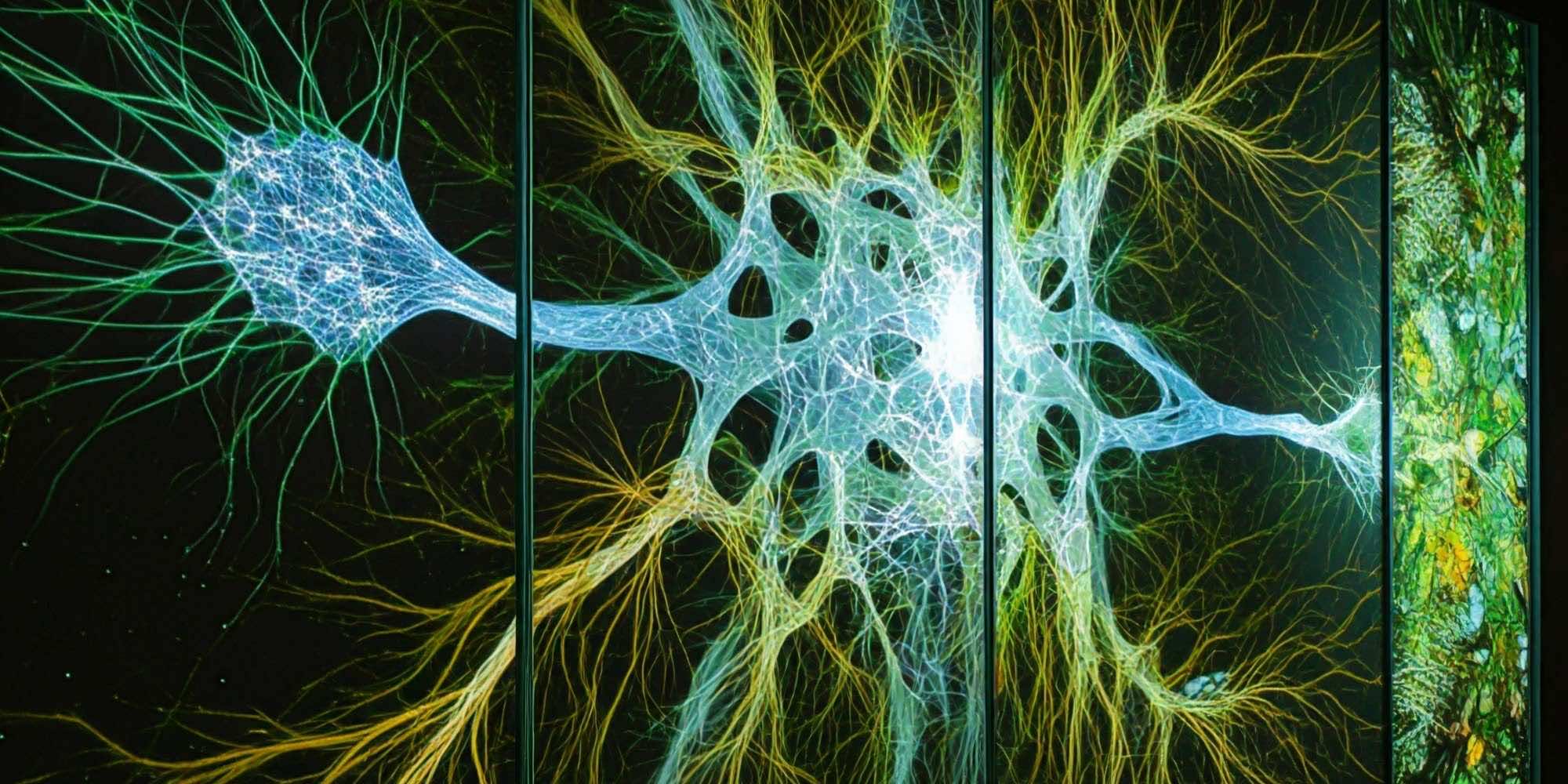
The Unexpected Rise of Urban Beekeeping

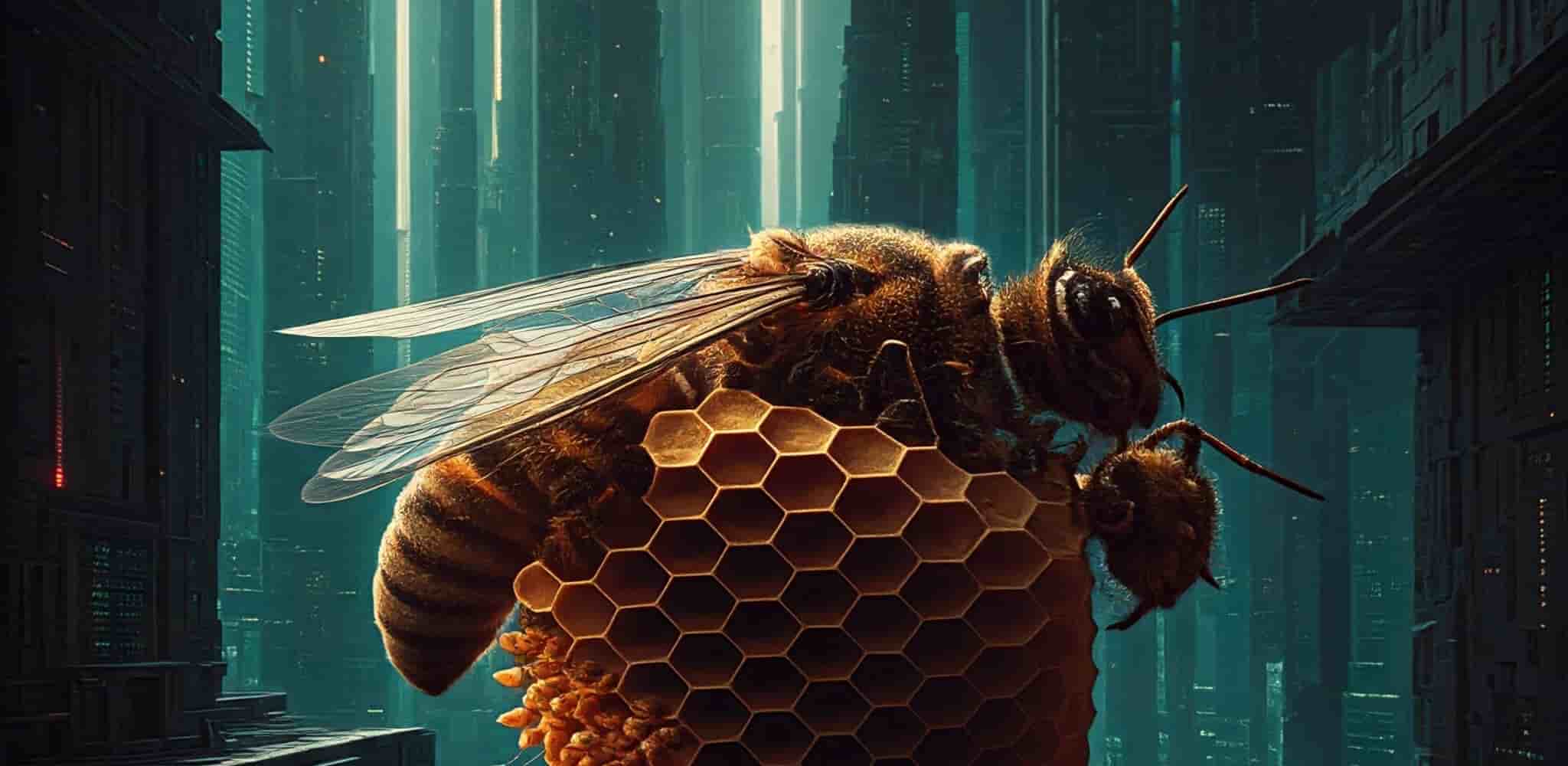
When Lisa Rodriguez installed her first smart hive on a mid-level platform above New Neo Tokyo's sprawling network of translucent towers, it was considered a bold experiment in 2471. Now, her interconnected “bio-pods” house over a dozen genetically optimized bee colonies, each adapted to specific microclimates within the city. Like Rodriguez, citizens across the globe are joining a movement once thought incompatible with urban life: hyper-tech urban beekeeping.
In a world increasingly reliant on synthetic food sources, urban beekeeping represents a surprising pivot back to nature. Cities worldwide have embraced these high-tech hives, tackling the alarming extinction rates of wild bees by supporting bio-engineered colonies adapted for survival in dense, air-conditioned environments. The flowering greenery populating eco-balconies, sky bridges, and oxygenation domes has created an unexpected haven for these critical pollinators.
Breaking the Buzz Barrier in a Digital Age
While urban beekeepers have historically struggled to counter fear of bees, futuristic hives are designed to minimize human interference. “Digital Hive Guardians” use AI algorithms and motion sensors to monitor hive activity, automatically redirecting bee flight paths to avoid crowded areas. “People often fear swarms of bees, but these colonies are programmed to stay away from pedestrian zones,” Rodriguez explains, adding that smart-hive maintenance systems keep bees docile by stabilizing climate and nutrient levels.
Innovative vertical hives now stretch dozens of stories up, with smart control systems that predict weather fluctuations, optimize hive density, and adjust the bees' activity cycles to ensure uninterrupted pollination in urban food forests and sky farms.
More Than Just Honey in a Hyper-Ecological System
Although honey remains a valued product, these futuristic hives serve a broader ecological purpose. Urban bees pollinate countless mini food production sites, boosting the biodiversity of cities while providing data on air purity, micro-pollutants, and plant health. Their honey, analyzed in lab pods scattered throughout cities, reveals changes in the atmosphere and serves as a bioindicator of urban ecosystem health.
The social implications are just as transformative. Beekeeping hubs allow citizens to participate in immersive environmental projects, creating community networks from New York to Neo Delhi. Local governments integrate these programs into environmental education curriculums, and high-rise corporations incorporate beehives into their living architecture, making urban beekeeping a central part of sustainability initiatives across sectors.
Looking Forward: Urban Beekeeping and Environmental Resilience
As populations soar and climate events become more frequent, the adaptability of bio-engineered bees in mega-cities offers hope for resilient food and environmental systems. “Each urban hive is a small revolution in reconnecting humanity with nature,” Rodriguez says. “In a future dominated by artificial systems, these bees remind us that even the smallest organisms can have a transformative impact on our cities.”
Next time you see a bee amid the towering greenery of a sky bridge, remember it may be part of a revolutionary eco-partnership – one that’s shaping the cities of tomorrow, one hive at a time.