Love in the Time of MindMesh: Dating in the Mega-City Era
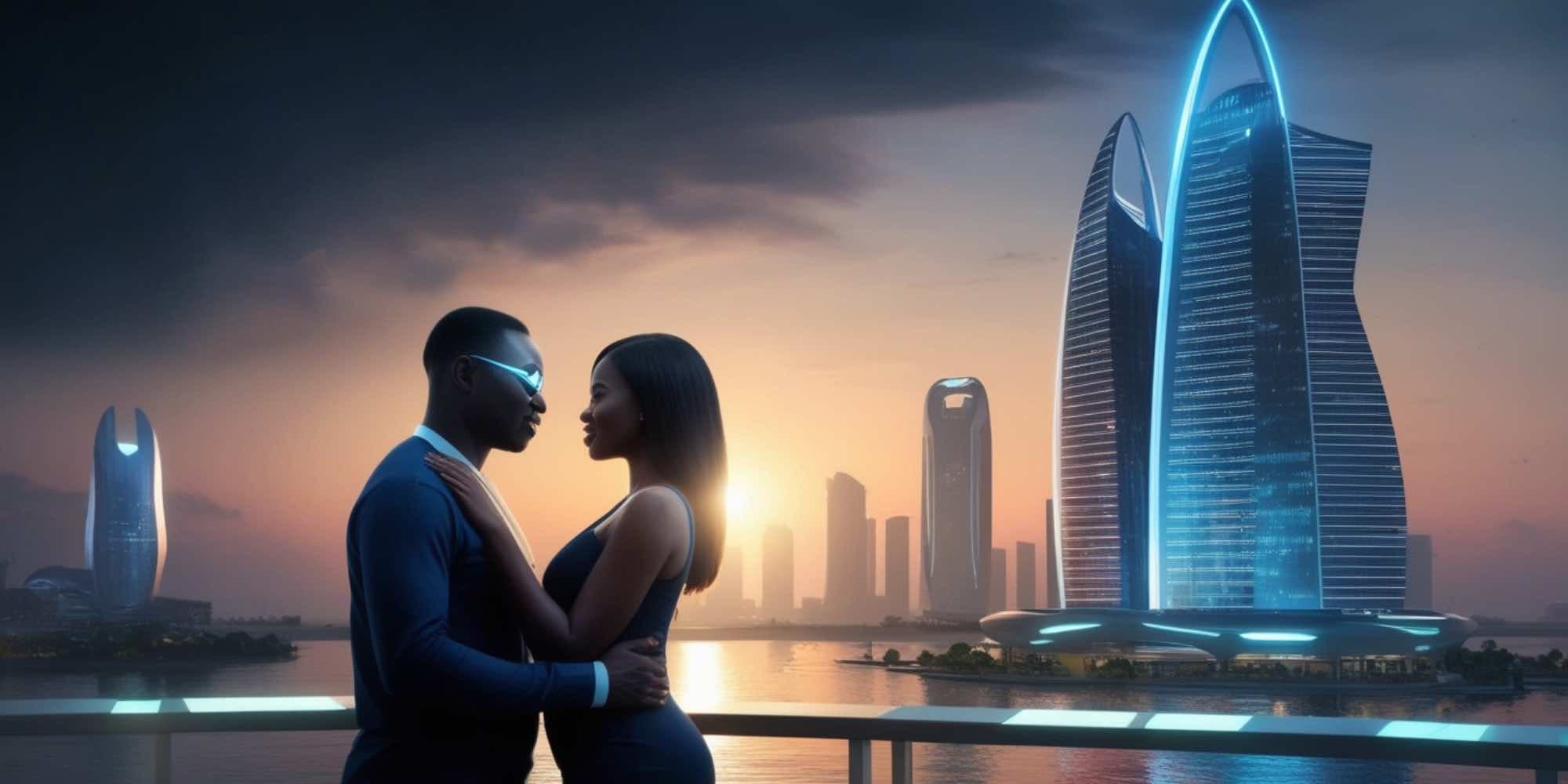
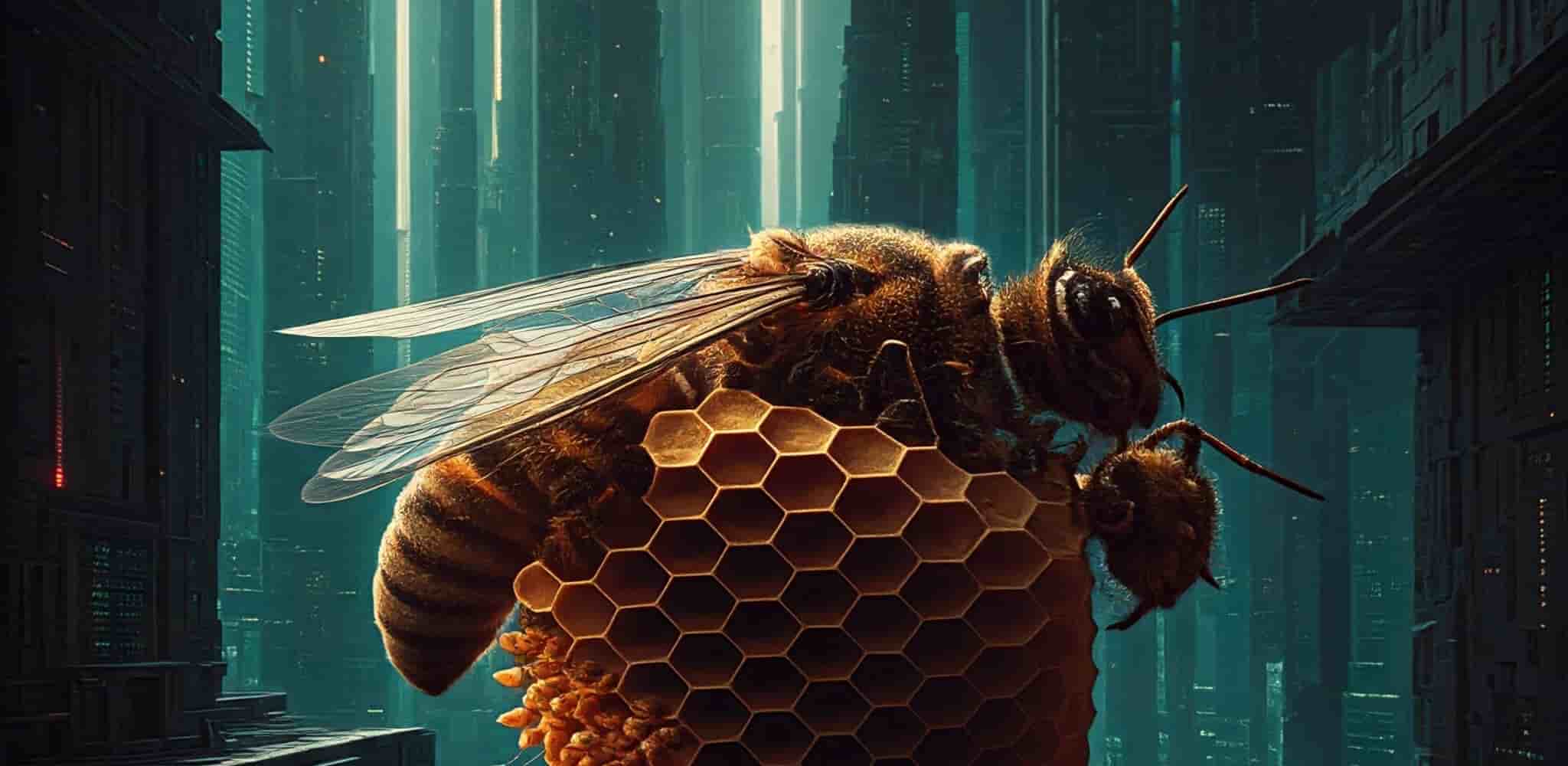
From my apartment on the 247th floor of Neo-Lagos's Eko Atlantic Tower, I can see the endless stream of hover-transport pods weaving between the gleaming spires of our vertical megalopolis. Each pod potentially carries someone on their way to a date, just as our ancestors once drove cars to meet potential partners. But that's where the similarities to dating in the early 2000s end. Finding love in 2547 is an entirely different experience, shaped by centuries of technological advancement and the unique challenges of mega-city living.
Looking Back: The Digital Dating Revolution (2000-2024)
It's almost quaint to look back at the dating apps of the early 21st century. Tinder, Bumble, and Hinge were revolutionary for their time, introducing the concept of swiping and digital matchmaking to the masses. These platforms relied on simple algorithms and user-inputted preferences, with success rates that would make modern matchmaking AIs laugh (if they were programmed for humor).
The challenges faced by daters in that era seem both familiar and foreign to us now. They worried about catfishing, ghosting, and the authenticity of profile pictures. But they didn't have to consider genetic compatibility ratings, neural sync scores, or multi-dimensional personality matrices. They lived in two-dimensional cities that spread outward rather than upward, making physical meetings simpler but limiting their potential match pool to a fraction of what we enjoy today.
The Vertical Dating Scene
In our modern mega-cities, where populations of 50-100 million people live in structures reaching into the stratosphere, dating has adapted to vertical living. The old complaint of "they live too far away" has been replaced by "their neural-social sphere doesn't intersect with mine." Distance is no longer measured in kilometers but in social-spatial coordinates that account for both physical location and digital presence.
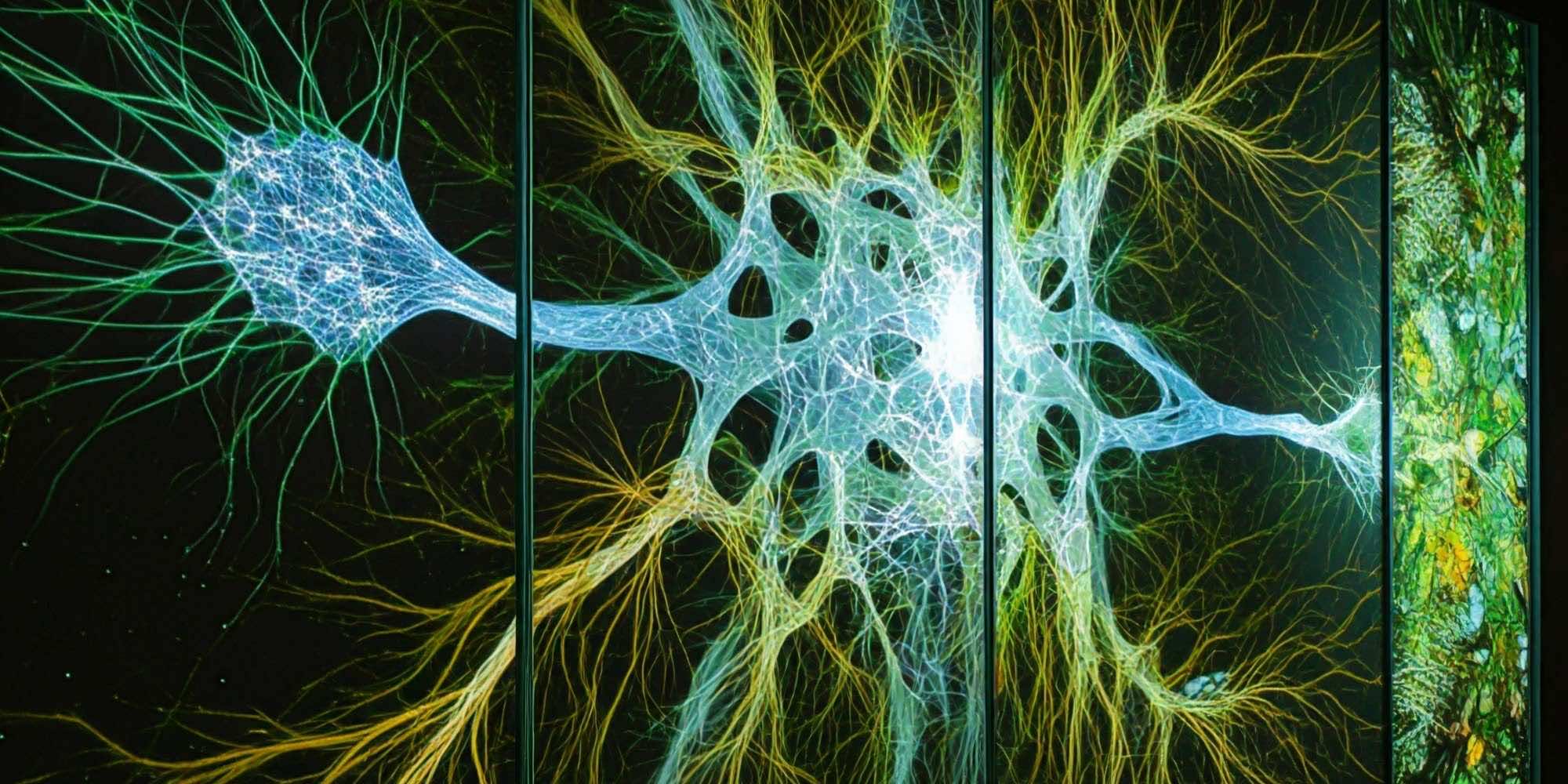
The introduction of mandatory Neural Link implants in 2472 transformed the dating landscape forever. No longer do we swipe on static images or read carefully curated profiles. Modern dating platforms access your Neural Link's emotional and experiential data streams, creating a rich tapestry of your personality that no profile could ever capture. The days of wondering if someone is "being real" are long gone – Neural Authentication ensures every potential match is presenting their authentic self, both physically and emotionally.
Genetic Compatibility and Time-Shifted Dating
Perhaps the biggest change from the 2000s is the role of genetic compatibility in modern dating. While our ancestors might have worried about blood types or hereditary diseases, we have access to complete genetic profiles that predict not just physical compatibility but also the potential for emotional and intellectual synergy. The controversial Genetic Matching Act of 2489 made it mandatory for all dating platforms to include genetic compatibility scores, leading to a significant decrease in relationship dissolution rates but also sparking heated debates about genetic determinism in love.
Time-shifted dating, impossible in the past, has become increasingly popular. With the advent of consciousness recording and playback technology, busy professionals can go on dates during their sleep cycles, experiencing them later through neural playback. This has solved one of the oldest dating problems – finding time in busy schedules – while creating new ethical questions about the nature of presence and connection.
The Multi-Dimensional Relationship Spectrum
Unlike the relatively simple relationship statuses of the past, modern relationships exist on a complex spectrum of physical and digital intimacy. Many couples maintain hybrid relationships, combining traditional physical interaction with neural-space encounters. Some choose to exist primarily in shared virtual environments, while others opt for genetic temporal bonding – a commitment to experience each other's recorded memories and emotions over time.
The concept of "exclusive dating" has evolved as well. Modern relationships often include AI companions as accepted partners, leading to new relationship configurations that would have been unimaginable in the 2000s. The term "polyfidelity" now encompasses not just human partners but also artificial consciousnesses and neural-space entities.
The More Things Change...
Despite all these technological advances, some aspects of dating remain surprisingly unchanged from 500 years ago. The nervous excitement before meeting someone new, the joy of discovering shared interests, and the deep human need for connection continue to drive us. Even with neural synchronization and genetic matching, people still experience heartbreak, unrequited love, and the thrill of unexpected chemistry.
Our ancestors in the 2000s worried about finding authentic connections in an increasingly digital world. We face similar concerns, albeit with more complex technology. They wondered if dating apps were making relationships more superficial; we debate whether neural-sync scores truly capture the essence of compatibility.
Looking Forward
As we look to the future, new frontiers in dating technology emerge. The recent development of quantum emotional entanglement promises to revolutionize long-distance relationships, allowing partners to share feelings across vast distances instantaneously. Meanwhile, temporal dating – meeting potential partners from different time periods through consciousness preservation – is still in its experimental phases but shows promising results.
What would our ancestors think of our modern dating landscape? Would they recognize the fundamental human emotions that still drive our search for connection? As we continue to push the boundaries of technology and human interaction, one thing remains clear: the basic desire to find love and companionship transcends all technological advancement.
Perhaps that's the most comforting thought of all – that despite the radical changes in how we meet and connect with potential partners, the heart of dating remains the same as it was five centuries ago: the hope of finding someone who makes our vast, complex world feel a little bit smaller and a lot more meaningful.